The Bus Factor Is a Product Requirement: Succession Readiness for Solo-Built Systems

Executive summary
Solo-built products carry a risk no architecture diagram shows: their continuity depends on one person's availability. Buyers see it in procurement questionnaires ("what is your bus factor?"), partners see it in contract negotiation, and the builder feels it every time a vacation is interrupted. Most solo builders handle the problem with intent ("I should document more") rather than practice. This paper turns succession readiness into a small set of concrete, dated artifacts and a quarterly verification habit, sized so a solo operator will actually do it. The point is not planning for catastrophe — it is making the system legible to others, which turns out to be the same artifact set a buyer, an insurer, or a successor would ask for anyway.
What "bus factor one" actually costs
The classic framing focuses on disaster: builder unavailable, system stranded. In practice the cost arrives much earlier and more often. It shows in procurement, when a buyer asks "what happens if the principal is unavailable?" and the honest shrug kills the deal or the pricing. It shows in partnerships, where integration decisions get weighed against a single person's responsiveness. It shows in the builder's own life — as permanent-on-call anxiety, vacations with a laptop, and an inability to be ill gracefully. Succession readiness is not estate planning; it is the removal of a standing business tax that the solo builder pays daily, and that compounds quietly into leverage against them in every negotiation they enter.
The four artifacts
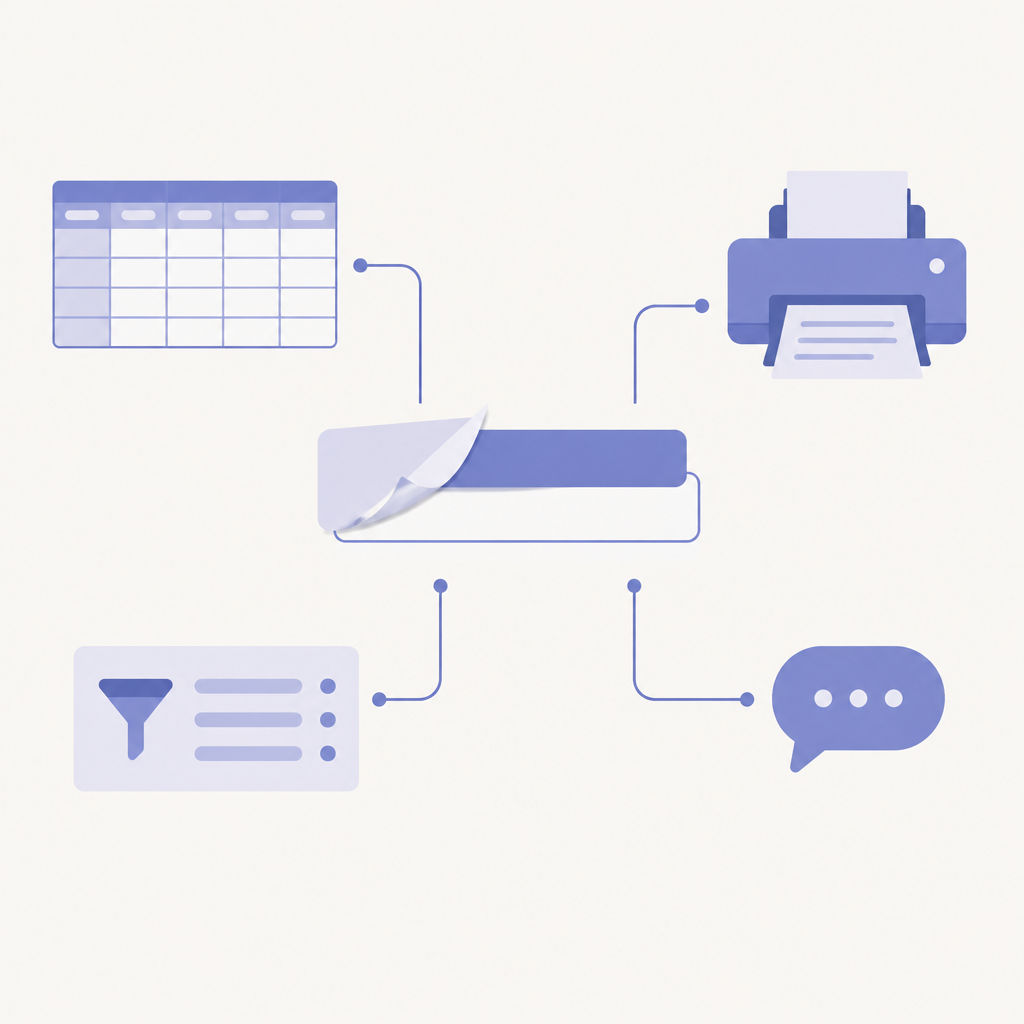
Artifact 1: The system map. One page: major components, how data flows between them, external integrations and their credentials' locations, environments in play, and any single points of deliberate decision (i.e., places where "it works this way because I chose it, and the alternative was worse because..."). The map is not auto-generated by any tool; its value is that a human reading cold could orient in twenty minutes. Its storage location should be referenced by the emergency pack below, so whoever needs it can actually find it.
Artifact 2: The emergency pack. The distinct, explicit, simple plan for someone specific to act on if the builder is unavailable: who is named (an executor, partner, colleague, or professional service), through whom access credentials are made available (lawyer, sealed envelope, emergency access service), and — critically — what that person is expected to do with that access in the first week: minimal viable operation. That last step is what distinguishes an emergency pack from a really clever envelope; most solo builder plans involve access but not instruction, and access-without-instruction is not a plan, it is a scavenger hunt at the worst possible moment.
Artifact 3: The operating log. What the solo builder knows above the system exists in a durable format: known issues and their workarounds, standing decisions and the reasoning that produced them, current projects with status, and "what I would look at first" diagnostic notes summarized for the system's primary failure modes. It doesn't need to be exhaustive — it needs to be findable, honest, and occasionally updated. A one-page log updated during normal work is worth more than an encyclopedia written once during a scare and abandoned.
Artifact 4: The client continuity statement. The customer-facing counterpart to the emergency pack: what clients are told and when about continuity risk in ordinary operation, and what they are entitled to expect if the builder is temporarily or permanently unavailable. This can be a paragraph in the service agreement or a plain statement on the status page. It converts the awkward procurement question above ("what if you're hit by a bus?") from a negotiation weapon into a satisfied checkbox — with the difference between those two outcomes increasingly being whether the solo builder can hand over an artifact set instead of a promise.
The quarterly check
The artifacts above decay in different ways: the system map goes stale after new components, the emergency pack's access credentials expire, the operating log has a habit of not getting updated under exactly the workloads where the knowledge is most critical. Solution: twenty minutes, quarterly, from a fold-out calendar reminder — verify the map edges, test the emergency pack's access path (or at least the credential's validity; rotating if needed), review the log's currency, and reread the client continuity statement to see if it still matches your actual situation. The quarterly rhythm is deliberately modest in ambition: the artifacts don't need to be perfect, they need to be no more than one quarter out of date.
What this buys
Buyers of solo-built software are not being paranoid — they've been burned, and their concern is a rational market signal. The builder who can respond with a dated artifact set is responding to a different negotiation, and the artifacts themselves improve daily operation even before any emergency: a current system map helps you on-board a contractor faster; an operating log helps you resume your own context after a week away; an emergency pack reduces your on-call anxiety because someone, at least, knows what to do. Succession readiness, done at the quarterly scale suggested, is respectively the cheapest sales asset, the cheapest insurance, and the cheapest therapy the solo builder can buy.
Disclaimer
This article is for general informational purposes only and does not constitute legal, cybersecurity, workforce, or operational advice. BlueVioletApps LLC is an independent company and is not affiliated with, endorsed by, or sponsored by any federal agency, military branch, or government organization. Always validate requirements with qualified professionals and the responsible authorities for your environment.

Comments