Cycle Counts for Data: When the System Says One Thing and the Shelf Says Another

Updated: Oct 31
Executive summary
Supply rooms learned long ago that records and reality diverge on their own, without anyone doing anything wrong. The countermeasure is the cycle count: instead of one giant annual inventory, count a small rotating slice of items every week, compare against the system, and reconcile differences while they are small. Operational software teams need the same practice. Systems that are the sole window onto physical reality — maintenance records, equipment status, badge access, training currency — drift away from actual conditions silently, and the record eventually wins the argument. A lightweight cycle-count discipline for operational data catches that divergence while it is still cheap to correct.
Why the record drifts from the world
The drift needs no villain. Someone performs maintenance and the tablet is dead, so they write it on paper and the paper becomes a coffee-stained souvenir. A status is updated verbally in a meeting and never entered. An operator makes a quick fix and intends to log it later; "later" is where good intentions go. A field condition changes — the sensor drifts, the spare gets swapped without a ticket — and the system's version of the world ages in place.
The failure is comfortable because the system is usually right. Ninety-five percent match teaches teams to trust the screen, and the screen becomes load-bearing. The day it matters — a maintenance due date computed from a stale record, an audit that samples reality, an emergency where a status board misdirects the first response — the five percent shows up in the worst hour, credited to the unlucky operator who finally noticed.
The supply-room answer, translated to software
Cycle counting works because it accepts divergence as a permanent condition and budgets for finding it. The translation to operational data has four moving parts:
A sampling schedule, not a census. Pick a fixed weekly slot (20 minutes suffices for most records) and a rotating slice: this week, five random components from the maintenance registry; next week, three training records per division; the week after, the ten most-recently-updated status entries. Rotation guarantees full coverage over time without an anguished annual event, and it samples the whole system rather than only the corners the team already suspects.
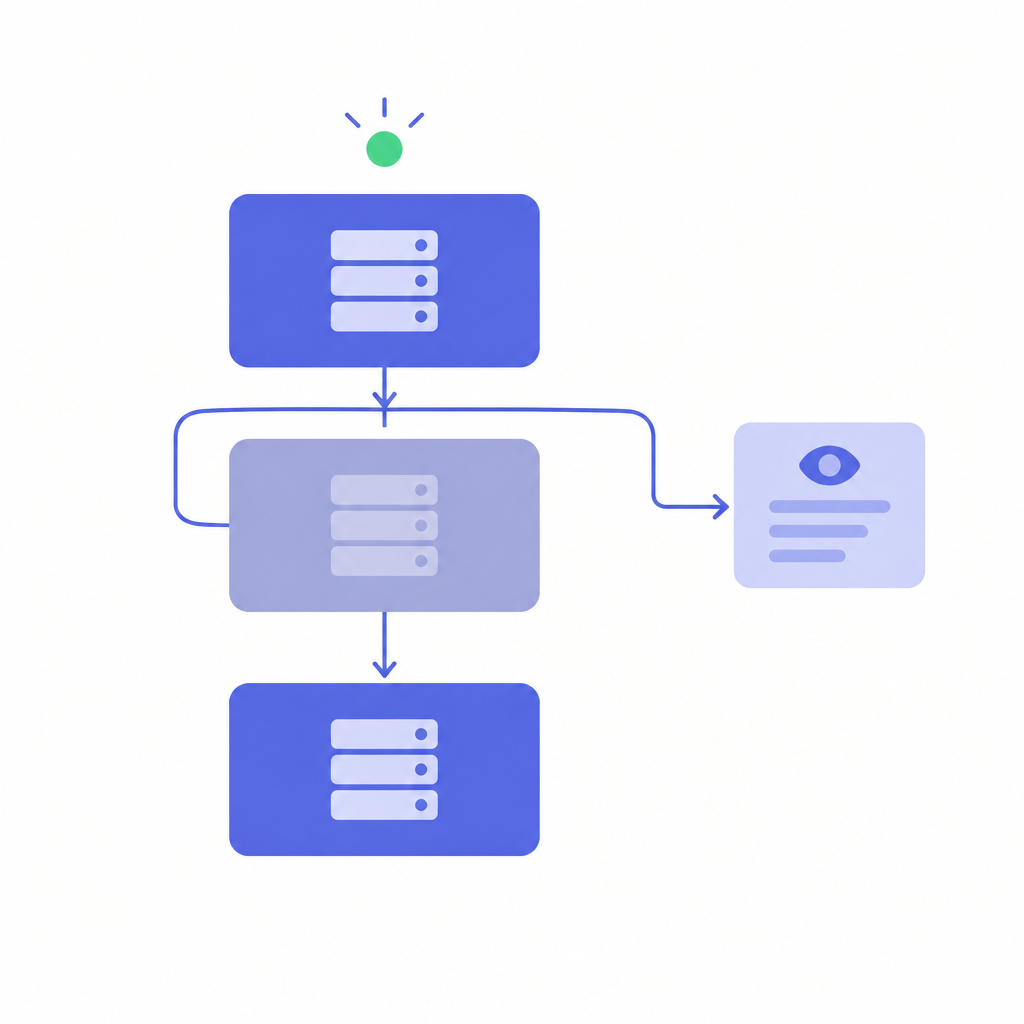
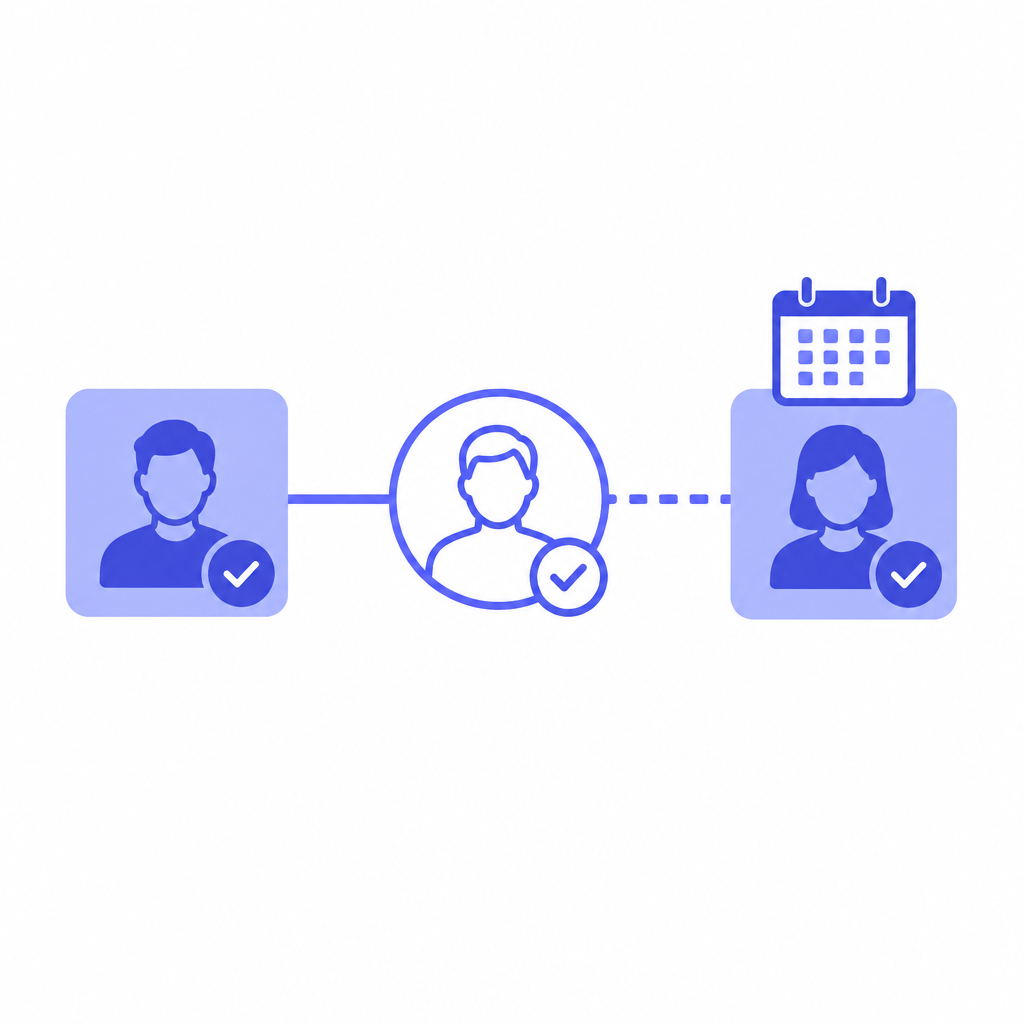
A two-way comparison. The count is done only when records have been checked against the world and the world against the records, because each direction catches different failures. Records with no item behind them: ghost parts, stale jobs, certifications that expired in reality but stay green on screen. And items with no record behind them: undocumented repairs, swapped spares, a visitor badged for one visit whose paper was never entered. Both directions get exercised every cycle.
Reconciliation with a cause, not just a correction. A cycle count that fixes numbers without a cause category has found a symptom and buried the diagnosis. Was it a process gap (no procedure captured the change), a timing gap (the procedure exists but gets skipped under pressure), an interface gap (the tool made correct logging harder than skipping it), or an access gap (the person who knew couldn't enter it)? The single discrepancy is a finding; the recurrence pattern, not the one-off, is the target.
A visible tally. A one-line record per week: records checked, discrepancies found, cause category for each. Over months this becomes a health metric for record-versus-reality divergence in the system — a drift trend that can be watched, budgeted against, and cited when proposing process or tooling changes.
What cycle counts buy you that a dashboard never will
Each individual count is unglamorous; the value accrues. First, the discipline converts one rare catastrophic mismatch into a steady trickle of small ones, found while they are correction-sized. Second, it produces standing evidence. A discrepancy found by scheduled count has a story a team can defend: sampled on purpose, corrected promptly, cause recorded. The identical discrepancy found abruptly by an auditor becomes a finding against a system nobody was verifying.
Conclusion
Operational systems need a planned, budgeted mechanism for discovering when they are wrong, because every record is a model of the world and every model drifts. Copy the supply room: small rotating counts, run in both directions, reconciled each time with a cause category, and tallied somewhere someone is watching. Twenty minutes a week stands between "we trust the system" and the far more defensible position: "we continuously verify that the system matches reality, most recently last Tuesday."
Disclaimer
This article is for general informational purposes only and does not constitute legal, cybersecurity, workforce, or operational advice. BlueVioletApps LLC is an independent company and is not affiliated with, endorsed by, or sponsored by any federal agency, military branch, or government organization. Always validate requirements with qualified professionals and the responsible authorities for your environment.

Comments