The Operational Picture as a Shared Decision Surface

Executive Summary
In high-stakes industrial, maritime, logistics, and defense operations, organizations invest heavily in Common Operating Pictures (COPs), central monitoring dashboards, and real-time telemetry systems. The primary goal of these platforms is to provide situational awareness across command centers, field operators, and leadership teams. However, many operational pictures fail to deliver on this promise, morphing into passive, overcrowded visual displays that present vast amounts of data without supporting effective decision-making.
An effective operational picture must be designed not as a passive data dashboard, but as an active, shared decision surface. A shared decision surface unifies real-time telemetry, clear task ownership, decision context, and exception tracking into a single operational workspace. This white paper outlines principles for structuring operational pictures to bridge the gap between data visualization and tactical execution, ensuring teams across shifts and echelons make consistent, defensible decisions from a shared baseline of truth.
The Deckplate Gap in Common Operating Pictures
In executive briefing rooms and headquarters, high-level operational dashboards present sanitized, color-coded summaries of organization-wide performance. Leadership views green status indicators and high-level charts, assuming complete control over operational assets. However, at the working level—on the ship’s deckplate, factory floor, or logistics warehouse—the operational reality is far more chaotic. This disparity exemplifies the Deckplate Gap.
Deckplate operators must contend with fragmented data feeds, conflicting sensor alerts, manual logbooks, and unrecorded shift workarounds. When a system anomaly occurs, the executive dashboard may remain green due to delayed reporting feeds, while deckplate operators scramble to manage the issue using local notes and uncoordinated radio calls.
Conversely, when operational pictures overload deckplate teams with thousands of unprioritized metrics, operators suffer from notification fatigue and begin ignoring critical warnings. Bridging the Deckplate Gap requires redesigning the operational picture into a working surface tailored to deckplate decision needs. The interface must display exact operational status, highlight active exceptions, and present immediate, actionable choices directly to responsible personnel.
Handoff Context as the Primary Operational Interface
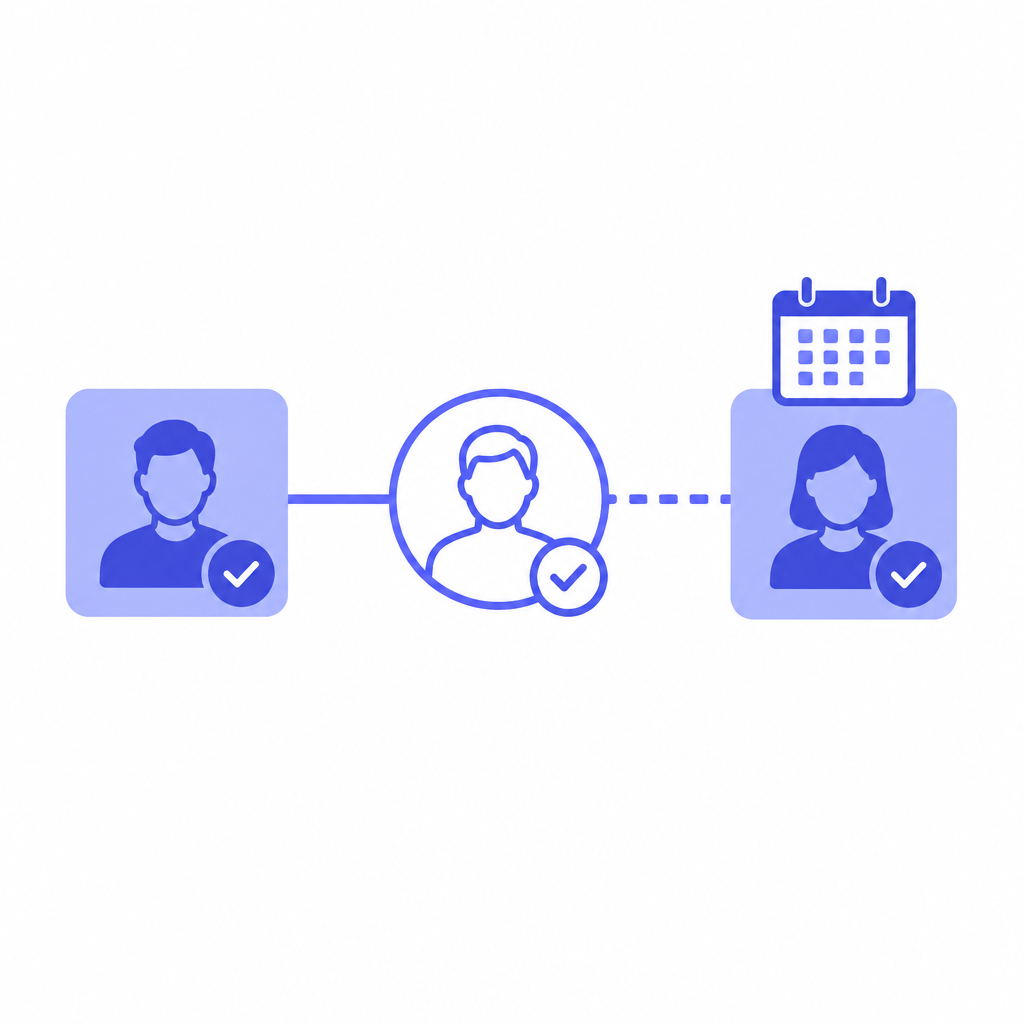
A critical vulnerability in operational continuity occurs during shift handoffs. Traditional shift handoffs often rely on verbal summaries or informal written notes, leading to dropped context, miscommunicated priorities, and unmanaged risks. A shared decision surface transforms the handoff from a passive status report into an active operational transition.
An effective shift handoff interface must structure context around four core operational elements:
Current System Baseline: Verifiable physical and software state, including active equipment configurations, operational modes, and resource levels.
Unresolved Anomaly Queue: Open operational exceptions, unexpected system behaviors, and ongoing diagnostic investigations currently underway.
Active Mitigation and Workarounds: Temporary operational modifications or bypasses put in place by the outgoing shift, including temporary safety boundaries and expiration criteria.
Next Pending Decisions and Explicit Owners: Upcoming operational decision points, required approval gates, scheduled maintenance windows, and the designated individual responsible for execution.
By embedding these four elements directly into the main view of the operational picture, incoming shift leads can assume control with complete situational awareness, reducing transition errors and preventing duplicate investigations.
Decoupling Observed Facts from Analytic Assumptions
A major cause of flawed operational decision-making is the premature blurring of raw telemetry data with human interpretations or predictive model outputs. When a monitoring surface mixes what is observed with what is assumed, operators lose the ability to evaluate ground truth independently.
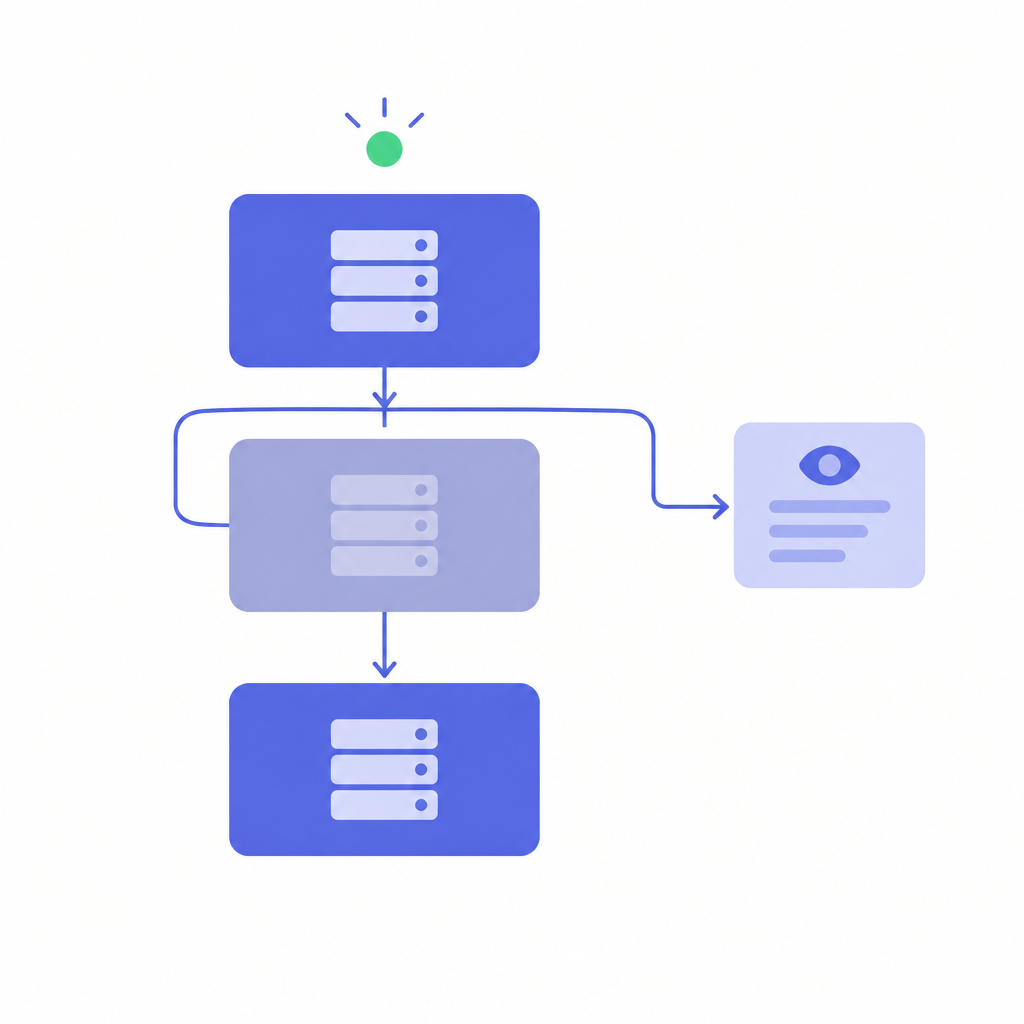
To preserve decision integrity, a shared decision surface must maintain strict visual and structural segregation between three distinct information layers:
Observed Telemetry (Raw Ground Truth): Direct physical readings, timestamped log events, and verified sensor outputs. These data points must be displayed without algorithmic smoothing or subjective modification.
Analytic Interpretation (Evaluations and Model Outputs): Machine learning predictions, statistical anomaly scores, and operator assessments. These must be clearly tagged with confidence intervals, model version identifiers, and generation timestamps.
Decision Directives (Action Plans): Approved operational responses, policy workflows, and commander intent guidelines linked to specific system states.
When operators can distinguish facts from assumptions at a glance, they can validate predictive recommendations against physical evidence before taking high-risk operational actions.
Exception Management and Workaround Lifecycles
In complex operational environments, unexpected events, hardware degradation, and software bugs are inevitable. Operational teams frequently implement temporary workarounds—such as manual overrides, bypass switches, or secondary routing protocols—to keep systems running.
However, when workarounds are not tracked within the shared operational picture, they become permanent "invisible" hazards. Subsequent shifts may forget a bypass is active, leading to safety breaches or unexpected outages.
A mature decision surface incorporates explicit exception management into its core workflow. Every temporary workaround must be logged as an active operational object within the picture, complete with:
The identity of the operator who authorized the workaround.
The technical or operational justification for the modification.
The maximum permissible duration before compulsory re-evaluation.
The clear visual indicator alerting all system users to the modified state.
Tracking workarounds through a visible, time-bounded lifecycle ensures that temporary operational modifications are systematically resolved or remediated rather than left to accumulate as hidden technical debt.
Practical Pattern: Shared Decision Surface Checklist
Engineering leads, system designers, and operational managers can apply this checklist to evaluate and refine their operational decision surfaces:
☐ Prioritize Actionable Telemetry: Audit operational displays to ensure primary views highlight critical operational metrics and active exceptions rather than cluttering the surface with passive status indicators.
☐ Structure Handoff Workflows: Embed standardized shift handoff interfaces that explicitly capture baseline state, unresolved anomalies, active workarounds, and pending decisions with named owners.
☐ Enforce Fact-vs-Assumption Segregation: Distinctly label raw sensor telemetry, predictive model estimates, and manual user comments to prevent bias propagation during anomaly triage.
☐ Log and Limit Temporary Workarounds: Require every operational bypass or manual override to be registered within the operational picture with a designated owner, expiration timestamp, and remediation path.
☐ Define Explicit Decision Ownership: Ensure every active alert or required operational choice displays a single assigned owner and immediate recommended escalation pathways.
☐ Conduct Post-Incident Surface Audits: Review operational picture logs following incidents or avoidable delays to identify missing context, ambiguous visualizations, or notification gaps.
Conclusion
An operational picture should not be a static wall monitor or an administrative status report; it must be an active, shared decision surface. By bridging the Deckplate Gap, structuring shift handoffs around actionable context, strictly segregating facts from assumptions, and managing the full lifecycle of operational exceptions, organizations empower their teams to operate with clarity and discipline. Aligning visual context with operational execution ensures that leaders and deckplate operators alike act swiftly and decisively from a single, trusted baseline of truth.
This article is for general informational purposes only and is not legal, cybersecurity, or operational advice. BlueVioletApps LLC is an independent company and is not affiliated with, endorsed by, or sponsored by any federal agency, military branch, government organization, or third-party company.

Comments