Read-Only Mode: The Underrated Failure Response for Your Data Layer

Executive summary
When something goes wrong beneath an operational tool — a sync backs up, an integration returns garbage, a migration misbehaves, duplicate records start appearing, an index and table quietly disagree. Most teams have only two responses, both bad: leave everything fully live while someone investigates, or take the whole app down and block the mission for every user. The middle path is strangely underused: a read-only mode that keeps the product usable for viewing while writes are suspended, giving responders time to work and users a truthful picture instead of a silent corruption window. This post is about why read-only mode deserves a place in your error handling and what it takes to build one that's actually usable.
The gap between "fully up" and "fully down"
The pause between "we noticed something wrong" and "we know quite what" is the most dangerous period of any incident. In that window, the app is an active participant in whatever went wrong: bad writes pile up, duplicate records multiply, and users keep going on data that looks live but is quietly falling apart. Keeping write access open while investigators search for the cause creates a growing blast radius behind you. Blanket downtime ("everything paused till we understand") punishes readers for a writing problem: people needing to look something up, check the current picture, or verify status are shoved into the dark.
Operational users already understand degraded modes: the engine-room approach of a system that keeps instruments visible while shutting the controls. Product teams need the same middle setting.
What a useful read-only mode looks like
Not a crude blanket toggle bolted on at the edge; a designed degradation with a few specific properties:
Truthful signage. A clear banner at the top: viewing works, changes are temporarily suspended, and why in one plain sentence ("data sync delayed; writes paused to protect the record"). Vague maintenance language invites the exact clicking-around that the pause exists to prevent.
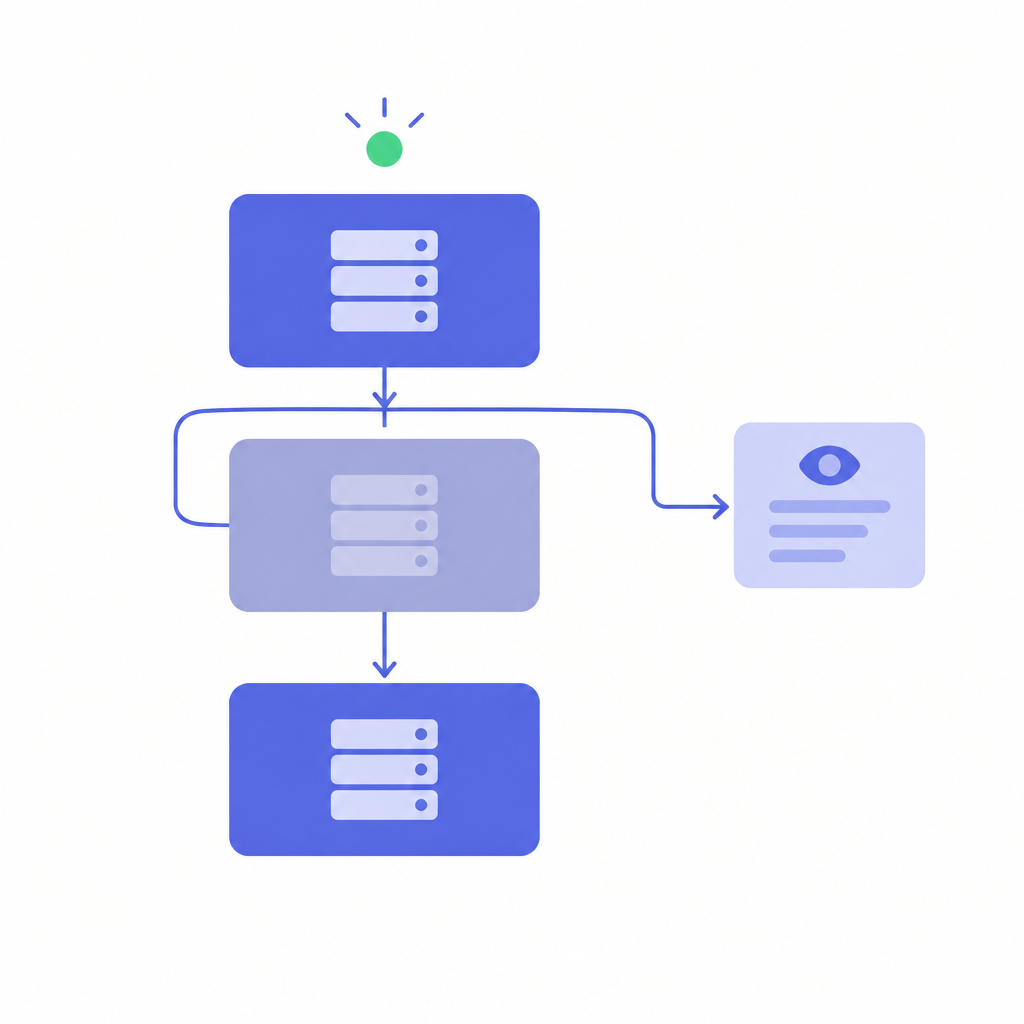
Per-area scoping. Most incidents threaten one write path, not all of them; the incident origin usually names the component. A mode granular enough to pause writes only to the affected area, keeping related areas fully usable, multiplies the usefulness of the response. Scope by data region or write type, not by user role.
Working reads, honestly labeled. When data may be running behind, show it: data of record versus recent additions, with a published "last good sync" time. Showing that one label takes read-only mode from an outage into a tool that tells users the truth about the current best information.
An exit door. Queue user intent (draft changes, form in progress that can't currently submit) rather than refusing to accept anything. When the pause lifts, users resume without the quiet loss of any work already underway — the failure mode that turns a system pause into a work-loss incident for users.
Dead simple to fire. If the switch takes ten minutes of console work in four different systems, it does not exist in practice. One deliberately simple action controls the mode: one flag change, broadcast to all services, visible in a current operations status line. All protection value depends on the response being faster than the damage.
Why "just fix it fast" isn't a plan
The most common argument against investing in a degradation mode is that incidents are rare and fixes are quick. But the middle period is often longer than teams want — many incidents need time to observe, reproduce, or carefully verify a fix before resuming writes, and the data-integrity ones especially. Every minute of that interval spent investigation-with-writes-live is a slightly longer restore tail later. If your recovery time objective for any given failure mode is longer than the corruption it causes, the protector layer pays for itself in its first use, not its tenth.
And the secondary effect is cultural: a team that knows "a switch we can flip and the record is protected" investigates faster, because the investigation isn't racing on-going harm. Removing panic from response work makes for cleaner diagnosis, cleaner fixes, and cleaner conclusions.
Conclusion
Plan the middle setting now, during calm: a readable, honestly-labeled, granular read-only mode that can be engaged in one action, holds user intent while paused, and unwinds without losing work. It sits exactly at the intersection of what users need during an incident (see the record, don't poison it) and what responders need (a stable, protected environment). The teams that build it rarely use it often — but the ones that build it early end up using it once in exactly the right moment, and that trade is worth the design.
Disclaimer
This article is for general informational purposes only and does not constitute legal, cybersecurity, workforce, or operational advice. BlueVioletApps LLC is an independent company and is not affiliated with, endorsed by, or sponsored by any federal agency, military branch, or government organization. Always validate requirements with qualified professionals and the responsible authorities for your environment.

Comments