A Field Guide to Safe Workarounds During Planned System Downtime

Executive summary
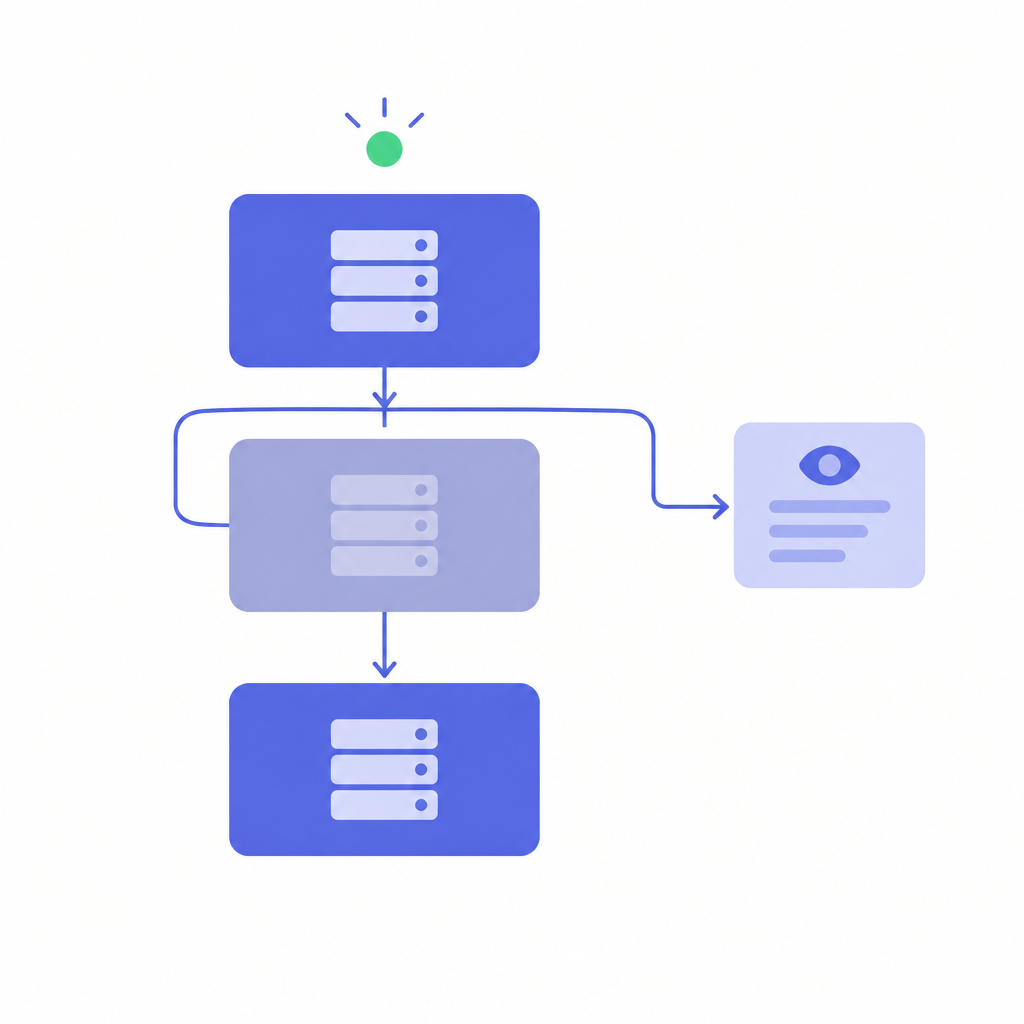
Planned downtime is usually planned as a technical event: backups verified, migrations rehearsed, rollback ready. It is rarely planned as an operational event — but the moment the system goes dark, the work it supported does not stop. Records get written on paper, decisions get made without the usual checks, and a backlog of unrecorded actions accumulates in the gap. This paper presents a framework for governing that gap: defining in advance which workarounds are permitted, which records must be retained offline, and how the reconciliation proceeds — with explicit stop conditions for when the window stops being safe.
The ungoverned window
The defining risk of planned downtime is not the migration failing; it is the organization improvising. When no one has defined what offline work is allowed, operators do not stop working — they invent. The results are familiar to anyone who has reconciled a post-maintenance backlog: paper records with no consistent format, actions taken without the checks the system used to enforce, temporary spreadsheets that became permanent, and disputes about what was actually done that no evidence can settle.
The ungoverned window also has a second cost: nobody knows when to stop it. "A little longer offline" becomes the default answer because no pre-agreed line exists for when the workaround phase must end and the escalated phase must begin.
The downtime playbook: five elements
1. A permitted-work list, written before the window. Not a general "business continuity" principle — a concrete list of what may proceed offline: which checks may be waived, which substitutions are approved, which actions are explicitly prohibited regardless of pressure. The list's most valuable entries are the prohibitions, because prohibitions are what an operator under pressure needs to be able to point at.
2. A single offline record format. One paper or spreadsheet template for every action taken during the window, capturing what every operational record would have captured: what was done, when, by whom, and what decision authorized it. Divergent formats are the root cause of reconciliation disputes; the format is a small thing decided in advance that saves hours of argument afterward.
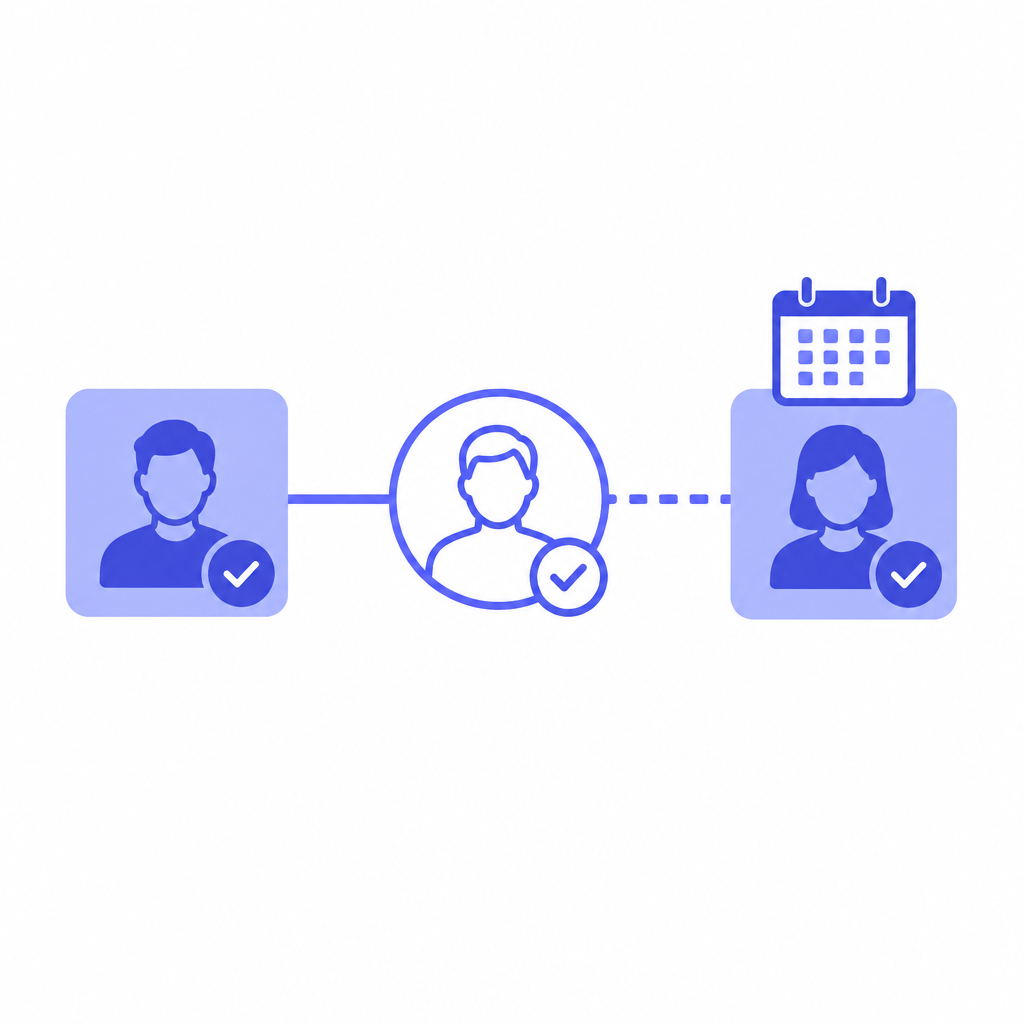
3. A named window authority. One person owns the go/no-go calls during downtime: extending the window, authorizing exceptions to the permitted-work list, and declaring the window over. Without a named authority, every operator becomes their own authority, and the window's risk profile is set by the most confident person on shift.
4. A time budget with stop conditions. The window is planned with a duration, and — more importantly — with pre-agreed conditions under which the workaround phase ends: offline work exceeding a defined volume, a prohibited action being requested more than once, a defined elapsed time, or any safety-relevant check being unavailable. Stop conditions convert "it's still mostly fine" from a judgment call made under pressure into a checklist item.
5. A reconciliation procedure. Who enters the offline records, in what order, and how conflicts are resolved; how the record indicates it originated offline; and how the post-reconciliation state is verified — not just that records were entered, but that the system's view of the window's work now matches the paper's view. Reconciliation should have an owner and a completion definition, like any other operational task.
Stop conditions: the element everyone skips
Most downtime procedures define when the window starts and how the technical work proceeds; almost none define when to stop the improvised operations. The stop conditions deserve their own line in the plan because they are the only element that protects against the quiet failure mode of planned downtime: the workaround that works slightly too well, and therefore never gets unwound.
Three stop conditions that hold up across environments: elapsed time beyond plan (the plan's assumptions are stale), workaround volume beyond forecast (the record format and staffing are no longer adequate), and any request to breach the prohibited list (the window's governance is being tested, and the correct response is escalation, not flexibility).
The rehearsal test
A downtime plan is only as good as its worst hour. Before a significant window, rehearse the operational half: take one hour of representative work, run it through the offline format, and reconcile it. Most teams that rehearse discover that their paper format lacks a field the reconciliation needed, that the named authority is unreachable in practice, or that the permitted-work list answers the easy cases and is silent on the ones that actually arise. An hour of rehearsal surfaces all of this while it is still a form to fix rather than a dispute to lose.
Conclusion
Planned downtime is an operational event wrapped around a technical one. Govern the wrapper: a permitted-work list with explicit prohibitions, one offline record format, a named window authority, time budgets with stop conditions, and a reconciliation procedure with a completion definition. The system will come back up either way; the difference is whether the work that happened in the dark comes back with it.
Disclaimer
This article is for general informational purposes only and does not constitute legal, cybersecurity, workforce, or operational advice. BlueVioletApps LLC is an independent company and is not affiliated with, endorsed by, or sponsored by any federal agency, military branch, or government organization. Always validate requirements with qualified professionals and the responsible authorities for your environment.

Comments