The Sunset Clause: A Deprecation Response Playbook for Vendor and Dependency End-of-Life

Updated: Nov 9
Executive summary
Every product depends on things it does not control, and those things end. A library's maintainer steps away; a vendor announces a sunset with a date chosen for their convenience; a runtime retires the version your build targets; a free tier you built on changes its terms. For small teams, the common posture is awareness without preparation — everyone knows dependencies carry lifecycle risk, almost nobody has a written response playbook. The result is that each sunset becomes a bespoke emergency, triaged under whatever deadline the notice imposed. This paper offers a rehearsed alternative: an inventory that knows what you depend on, an early-warning habit, and a tiered response playbook that turns "the vendor is shutting it down" from an incident into a scheduled project.
Four ways things end
Deprecation risk arrives in distinct shapes, and the shape predicts the response:
The announced sunset. A vendor publishes an end-of-support date. The risk is administrative rather than technical — you have notice, a deadline, and usually a migration path with costs you must estimate honestly.
The quiet abandonment. An open-source dependency stops receiving commits, answers no issues, and supports nothing past an OS version nobody uses yet. No notice, no deadline — just a slowly widening gap between the dependency and the world around it, discovered at the worst time (a security advisory against an unmaintained package).
The forced upgrade. The platform beneath you moves: an operating system release, an app store requirement, a runtime version. Your product still runs; the surface it stands on is being removed in a scheduled number of months.
The commercial rug-pull. Pricing changes, a free tier ends, an acquisition consolidates features into a package you can't justify. The software still works; the economics under it don't.
The inventory that makes response possible
Response speed is set long before the notice arrives, by the quality of the dependency inventory. One page per product: every third-party component — libraries, APIs, SaaS, runtimes, deployment platform — with its version, purpose, criticality (what breaks if it disappears), the last release date, and any known sunset already on the calendar. Maintain it whenever dependencies change, which for most products is the natural review point anyway.
The single most predictive column is maintenance signal: when was the last meaningful release? A dependency that has gone quiet is pre-announcing its quiet abandonment years before the advisory proves it. Criticality determines response urgency: a dependency that is both critical and quiet deserves a standing migration evaluation, not a someday plan.
Early warning beats fast response
A small early-warning habit replaces most of the scramble: subscribe to release notes and security advisories for your critical-tier dependencies, and put a quarterly 20-minute review on the calendar to walk the inventory's top rows — versions, announcements, maintenance signals. The point is not to read everything; it's to ensure no sunset can arrive as a total surprise. Every deprecation you catch in its announcement month instead of its deadline month buys back schedule at the cheapest possible price.
The response playbook, in tiers
Tier 1 — Pin and plan (low criticality, distant deadline). Version-pin the working release, record the sunset in the inventory with its date, and schedule the migration like any other roadmap item. Response cost is planning, not panic.
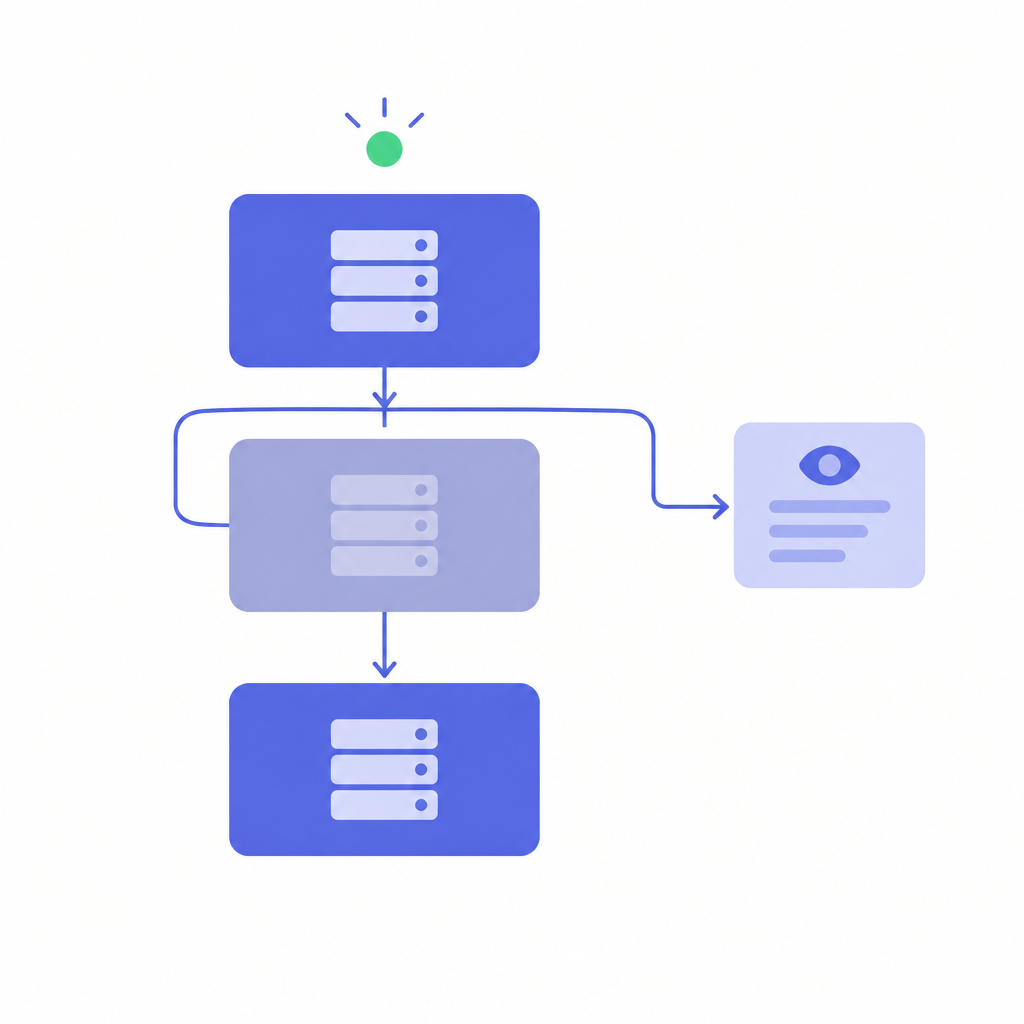
Tier 2 — Shim and stage (medium criticality, real deadline). Wrap the dependency behind an interface in your code — the seam that makes replacement a contained change rather than a product-wide hunt — and stage the replacement work in normal sprints, shipping behind a flag where possible. The shim converts a big-bang migration into a reversible sequence.
Tier 3 — Contain and decide (high criticality, near-term). The emergency tier: isolate the exposure (pin versions, restrict the surface, add monitoring on the affected path), estimate the two exits — migrate, or replace with something simpler — and make the decision with written reasoning and a deadline of its own. The tier-3 discipline is deciding rather than deferring: a contained risk with a decision date is manageable, and an uncontained "we'll figure it out" is how a vendor's sunset becomes your outage.
The unsupported corner. Sometimes the honest answer is staying on the deprecated thing — cost, contractual lock-in, or a niche nothing replaces. Make that a documented decision, not a drift: recorded in the inventory with its compensating controls and the conditions under which it will be revisited. Chosen risk is a posture; unexamined risk is a trap.
Rehearse the boring parts
Two rehearsals make every future response faster: build once, deliberately, on a dependency you plan to remove anyway, and treat it as a migration drill (how do exports, data conversion, parallel runs, and rollback actually go?); and keep a "replacement evaluation" template — what the dependency does for you, the candidates, the seam it must fit, the migration steps, the verification. Playbooks read faster than they're written under pressure.
Conclusion
End-of-life is not an exception in the life of a product; it's a recurring phase of every dependency you have. An inventory with maintenance signals, a light early-warning habit, and a three-tier response playbook turn vendor timelines into your schedule — and turn the next 90-day sunset email from an emergency into a project you already knew how to run.
Disclaimer
This article is for general informational purposes only and does not constitute legal, cybersecurity, workforce, or operational advice. BlueVioletApps LLC is an independent company and is not affiliated with, endorsed by, or sponsored by any federal agency, military branch, or government organization. Always validate requirements with qualified professionals and the responsible authorities for your environment.

Comments