Operational Data Contracts for Reliable Mission Support

Operational technology relies on continuous data flow between systems. Dashboards report equipment status. Workflows route service requests. Automated tools compute inventory levels. When data flows cleanly, teams make fast, accurate decisions.
However, operational data often flows without explicit rules. Designers assume fields will exist. Analysts assume hourly updates. Field workers assume blank entries mean zero. When assumptions fail, systems rarely crash immediately. Instead, they silently degrade. Stale numbers look current. Orphaned records linger. Staff members make choices based on bad information.
An operational data contract solves this problem. It is a formal agreement between data producers and consumers. It defines ownership, freshness, quality, and failure behavior. This guide outlines how to build practical data contracts for mission support.
What Breaks When Data Has No Contract
Operational systems often integrate through custom scripts and shared databases. One service writes records. Another service reads them. Without a contract, quiet failures quickly multiply.
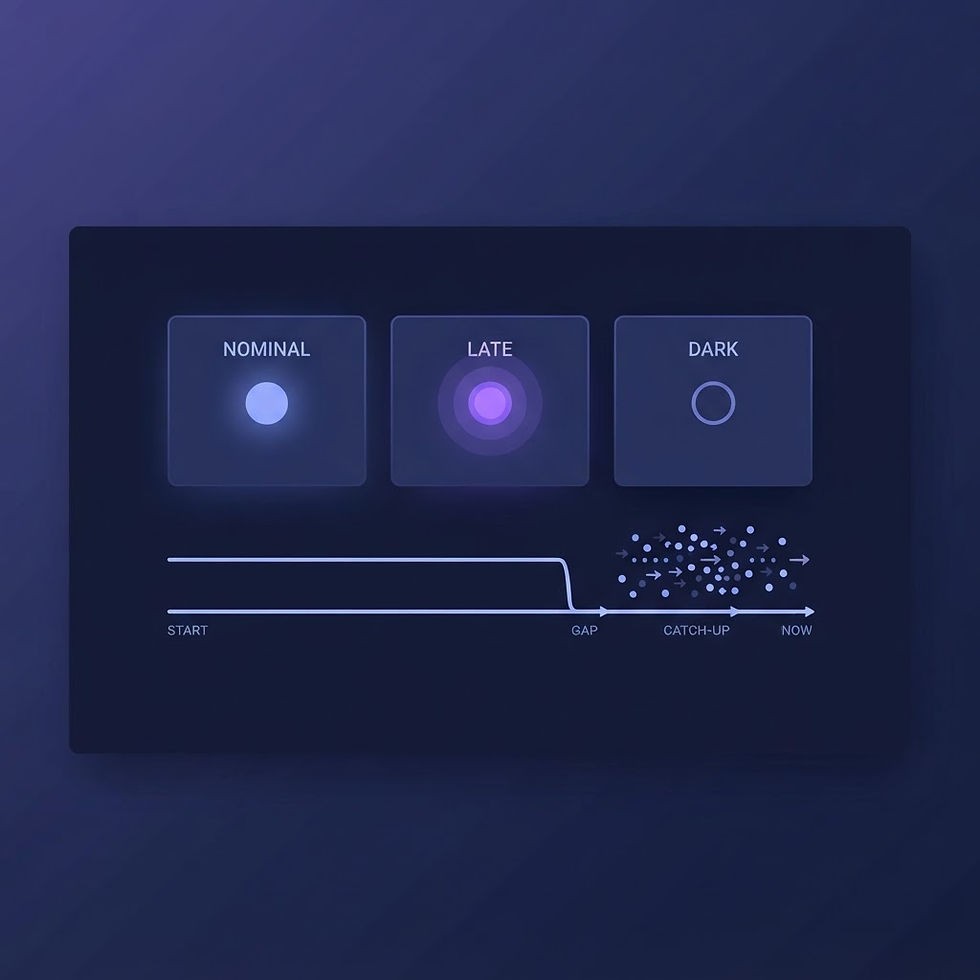
Silent staleness is the most common issue. An upstream feed stops updating due to a network glitch. The database keeps serving old values. Dashboards show green status indicators next to stale numbers. Operators make decisions on outdated information.
Orphaned records create another operational hazard. A source system deletes a facility or changes an ID. Downstream tracking systems never receive the update. Old records remain forever. Staff members waste hours investigating assets that no longer exist.
Field mutations introduce unexpected errors. A software update renames a column or changes units from pounds to kilograms. Downstream tools parse new data using old rules, distorting reports.
These problems share one root cause: implicit assumptions instead of explicit rules.
The Four Essential Clauses
An operational data contract should be a concise specification embedded in software workflows. Every effective contract includes four key clauses.
Clear Data Ownership
Every operational dataset must have one primary owner. The owner is a specific team or role responsible for data accuracy. When an input feed fails, logs identify who must fix it. Ownership includes schema maintenance, access management, and alert response.
Explicit Freshness Expectations
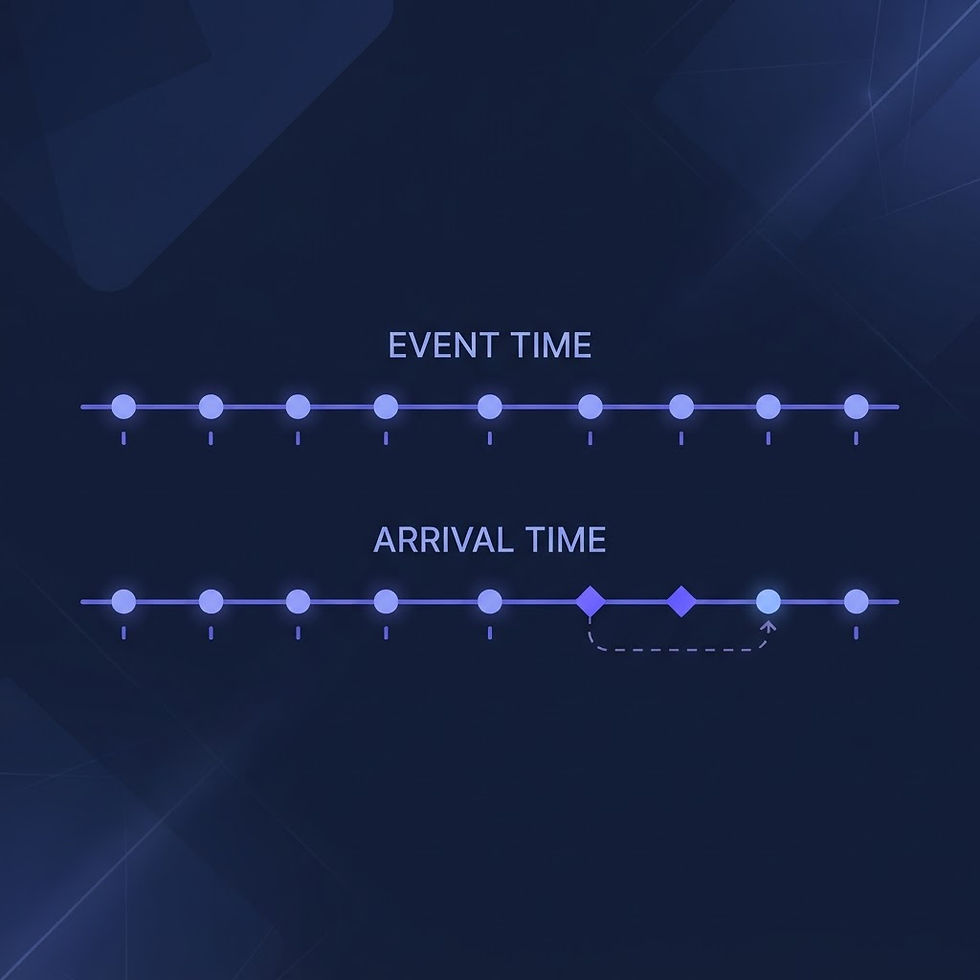
Freshness defines how current data must be to support decisions. An inventory feed may need updates every fifteen minutes. A monthly facility report may update every thirty days. The contract defines maximum acceptable data age, update frequency, and latency limits.
Rigorous Quality Checks
Quality checks validate incoming records before workflows consume them. These checks enforce strict rules on data types and value ranges. Sensor readings must stay within operational bounds. Status fields must match approved lists. Required fields cannot be null.
Defined Failure Behavior
Systems inevitably face network drops and source outages. A contract defines how systems respond to rule violations. Options include halting workflows, displaying warning icons with last known values, or routing records to manual review.
Writing Contracts Next to the Data
Documentation in static wikis rarely prevents software failures. Developers forget to update wiki pages. Operators do not read them during live incidents.
Data contracts must live next to the data itself. Contracts should exist as readable code or schema definitions inside the source repository. When developers modify a database table or API, they update the contract file in the same pull request.
Executing contracts in code enables real-time validation. Ingestion services test incoming records against contract schemas. Invalid records are rejected at the boundary, logged, and isolated before reaching production dashboards.
This approach aligns with NIST 800-53 integrity controls. Validating inputs at system boundaries ensures that only verified, authoritative data enters mission applications.
Making Failure Loud
When data fails a quality check or misses a freshness deadline, the system must fail loudly. Silent failures are the greatest threat to operational readiness.
A loud failure does not mean shutting down operations. It means making uncertainty obvious. If a weather feed stops updating, the interface must not present old forecasts as current. It should display a clear warning indicator showing that data is stale and listing the age of the last valid reading.
Loud failures also trigger automated alerts for maintenance teams. Monitoring systems notify data owners immediately with the dataset name, violated clause, and exact timestamp.
Visible failures allow teams to resolve root causes quickly while maintaining trust in operational software.
Versioning Changes Without Breaking Operations
Operational requirements change over time. Teams add sensors, update metrics, and retire legacy formats. Changing a data contract requires strict versioning to prevent operational downtime.
Never modify existing fields in place if the change alters meaning or data types. Issue a new contract version instead. Maintain backward compatibility whenever possible. Mark new fields as optional so downstream systems have time to adapt. Deprecate old fields gradually with clear timelines.
Semantic versioning provides a clear structure. Increment major numbers for breaking schema changes. Increment minor numbers for new optional fields. Increment patch numbers for small rule adjustments. Structured versioning protects active operations from unexpected breakage.
A Starter Template for Small Teams
Small engineering teams can adopt operational data contracts immediately using standard data files. A simple structured format provides immediate clarity.
Use this starter template for core data feeds:
Dataset Identifier: Unique name and stream key.
Primary Owner: Responsible team and role contact.
Purpose and Scope: Decisions and workflows supported by this feed.
Update Frequency: Expected refresh rate and maximum acceptable age.
Field Definitions: Name, data type, valid range, and nullability.
Quality Rules: Specific range constraints and validation logic.
Failure Behavior: Required response when validation fails (alert owner, flag unverified, reject record).
Change History: Semantic version, review date, and author.
Adopting this template establishes clear standards across engineering and mission operations.
Conclusion
Operational resilience relies on data integrity. Software cannot support mission workflows effectively when data streams fail silently. Operational data contracts establish ownership, enforce freshness, validate quality, and manage failures gracefully. Defining rules in code protects critical systems and gives operators confidence in their data.
Disclaimer: General professional perspectives only. Not official U.S. government, Department of Defense, or military policy or endorsement. Not legal or compliance advice.

Comments